


Rice Cooker vs. Cooking Rice on the Stove: Which One Is Better?

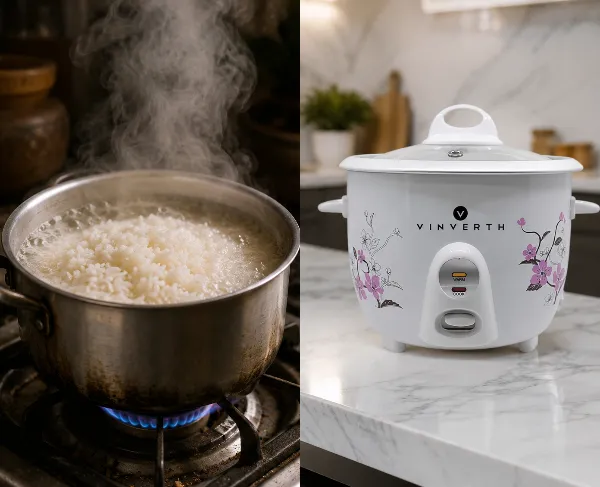
Rice is one of the most common staple foods in the world, but the way it is prepared can make a big difference in convenience, texture, and consistency. For many households, the choice often comes down to two methods: using a rice cooker or cooking rice on the stove. Both options can produce satisfying results, but each comes with its own advantages and limitations depending on your routine, cooking habits, and kitchen needs. For users who prefer a simple and compact electric solution, a model like the Vinverth E210028 1L Electric Rice Cooker can offer a practical alternative to stovetop cooking without taking up too much space.
Choosing between a rice cooker and stovetop cooking is not just about taste. It also involves factors such as time, ease of use, cleanup, energy efficiency, and how much attention the cooking process requires. Some people enjoy the control of stovetop cooking, while others value the convenience of a dedicated appliance. Understanding the differences between the two methods can help you decide which one fits your lifestyle better.
1. Ease of Use and Convenience
One of the biggest advantages of a rice cooker is convenience. In most cases, all you need to do is measure the rice and water, press a button, and let the machine do the rest. A rice cooker is designed to simplify the cooking process, making it especially useful for busy households, students, or anyone who wants reliable results without constant monitoring.
Stovetop rice cooking, on the other hand, usually requires more attention. You need to watch the heat, time the simmering process, and make sure the water does not boil over or evaporate too quickly. While experienced home cooks may find this easy, beginners often struggle with undercooked, overcooked, or uneven rice.
If convenience is your priority, the rice cooker clearly has the advantage.
2. Cooking Consistency and Results
A rice cooker is built specifically to cook rice, which means it usually delivers more consistent results. Once the proper rice-to-water ratio is set, the appliance automatically regulates the cooking cycle and often switches to a keep-warm mode when the rice is ready. This reduces the chances of burning or overcooking.
Stovetop cooking can also produce excellent rice, but results depend more on user skill. Heat level, cookware quality, and timing all affect the final texture. For some people, this extra control is a benefit, especially if they prefer to adjust texture manually. However, it can also make stovetop cooking less predictable.
For people who cook rice frequently and want dependable results every time, an electric rice cooker often feels like the easier and more reliable option.
3. Time and Attention Required
Cooking rice on the stove may not always take longer in terms of total minutes, but it usually requires more active attention. You often need to wait for the water to boil, reduce the heat at the right moment, cover the pot properly, and monitor the cooking process until the rice is done.
A rice cooker reduces this hands-on effort. After setup, it can usually work on its own. This means you can focus on preparing other parts of the meal or simply leave the kitchen without worrying as much about the rice. For people with busy schedules, this hands-free approach is a major advantage.
If you value multitasking and less supervision, the rice cooker is generally the better choice.
4. Texture and Cooking Control
One reason some people still prefer stovetop rice is the greater level of manual control. On the stove, you can easily adjust the flame, control evaporation, or change the cooking time depending on the type of rice you are using. This can be especially useful for recipes that require a specific texture or for cooks who are very particular about the final result.
A rice cooker offers less manual control, but that is often exactly the point. It aims to remove guesswork and standardize the process. While some advanced rice cookers offer different cooking modes, many compact models focus on simplicity rather than customization.
So, if you enjoy a more hands-on cooking style, the stove may suit you better. If you prefer convenience and predictability, the rice cooker wins.
5. Cleanup and Maintenance
Cleanup is another important factor. Rice cookers often come with a removable inner pot that is relatively easy to wash, especially when it has a non-stick surface. Since the cooking process is contained in one appliance, cleanup can feel straightforward.
With stovetop cooking, cleanup depends on the type of pot used and whether the rice stuck to the bottom or boiled over. In some cases, cleaning a burnt pot can take more effort than washing a rice cooker bowl.
That said, rice cookers also require proper care. The inner pot should be cleaned gently, and the heating plate must be kept dry and free from residue. When maintained well, a compact model such as the Vinverth E210028 1L Electric Rice Cooker can be both convenient and easy to keep in good condition.
6. Energy Efficiency and Kitchen Use
Energy efficiency can vary depending on the appliance, cooking time, and stove type. In many everyday situations, the difference may not be dramatic, but a rice cooker can still be practical because it is optimized for one task. It may help free up your stovetop space, especially when preparing multiple dishes at the same time.
Stovetop cooking can be perfectly efficient as well, particularly if you are already using the stove for the rest of the meal. However, it occupies one burner and may require more attention throughout the process.
For smaller kitchens or simple meal prep routines, a rice cooker can be a smart space-saving solution.
7. Which One Is Better for Different Types of Users?
The better method often depends on the user.
A rice cooker may be better for:
- busy individuals who want a simple cooking process
- students or small households
- people who cook rice several times a week
- users who prefer consistent results with less effort
- those who want a compact appliance dedicated to rice
Stovetop cooking may be better for:
- people who cook rice occasionally
- users who prefer not to buy an extra appliance
- experienced cooks who like manual control
- households with limited counter space
- those comfortable managing heat and timing themselves
Conclusion
So, which one is better: a rice cooker or cooking rice on the stove? The answer depends on what matters most to you. If you value convenience, consistency, and hands-free cooking, a rice cooker is often the better option. If you prefer manual control, flexibility, and using tools you already have, stovetop cooking can still be a great method.
For many modern kitchens, a rice cooker offers a more practical everyday solution, especially for people who prepare rice regularly. But both methods can work well when used correctly. The best choice is the one that matches your cooking style, kitchen setup, and daily routine.