


5 Expert Tips to Maximize the Lifespan of Your Vinverth Kitchen Appliances

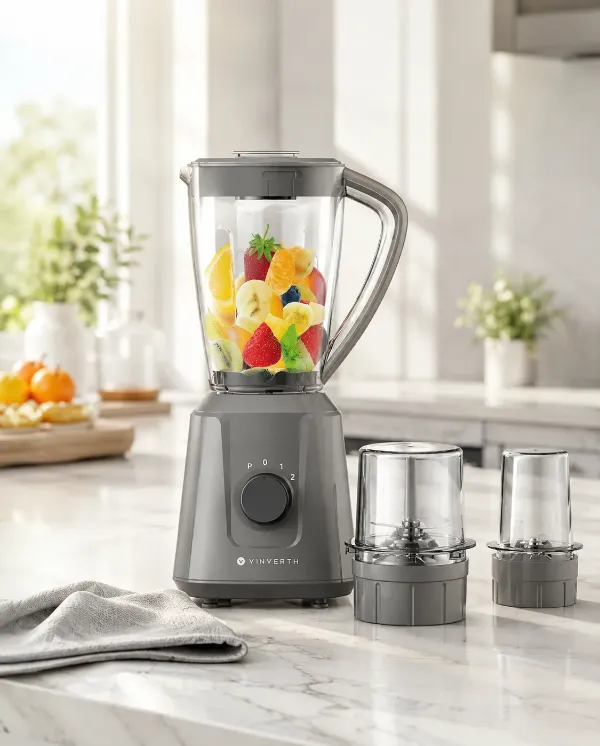
In today’s fast-paced culinary world, convenience is no longer a luxury—it is a necessity. From the precision of a portable mini chopper to the heavy-duty reliability of a high-capacity blender, modern kitchen appliances are designed to streamline our daily routines. However, even the most robust appliances, like those in the Vinverth lineup, require a degree of care to maintain peak performance over years of use.
Whether you rely on the Vinverth E210016 400ml Rechargeable Portable Mini Chopper for daily herbs or the Vinverth E210021 1.8L Stainless Steel Electric Rice Cooker for family meals, understanding how your machine operates is the first step toward extending its service life. Proper maintenance doesn’t just prevent premature breakdowns; it ensures consistent results, preserves motor integrity, and supports a more sustainable kitchen environment.
In this guide, we provide five expert-backed strategies to help you protect your investment, ensuring your Vinverth appliances serve you faithfully for years to come.
Tip 1: The Art of Charging—Preserving Battery Health
For users of our cordless, portable range—specifically the Vinverth E210016 400ml Mini Chopper and the Vinverth E210017 70ml Rechargeable Grinder the battery is the heart of the machine. These devices utilize modern lithium-ion battery technology, which is efficient and powerful, but sensitive to extreme charging habits.
Many users inadvertently shorten the lifespan of their rechargeable appliances by treating them like traditional plug-in electronics. To maintain battery longevity, consider these three professional guidelines:
- Avoid Deep Discharges: Lithium-ion batteries do not suffer from the “memory effect” found in older battery types. In fact, they prefer being “topped up” rather than completely drained. Try to recharge your E210016 or E210018 before the battery reaches the 10-15% mark. Regularly letting the device die completely can cause stress to the battery cells, eventually leading to a noticeable drop in the device’s runtime per charge.
- Don’t Overstay on the Charger: While modern Vinverth chargers are designed with safety circuits, leaving your grinder or chopper connected to a power source for days after it reaches 100% can generate unnecessary heat. Heat is the enemy of battery chemistry. Once the indicator light signals a full charge, unplug the device to prevent trickle-charging stress.
- The First-Use Protocol: For new units, such as a freshly unboxed Vinverth E210017, we always recommend a full, uninterrupted charge cycle before its first use. This “conditions” the battery, ensuring the internal management system properly recognizes the full capacity of the cells.
By treating your battery as a precision component rather than an afterthought, you ensure that the high torque required for grinding spices or chopping vegetables remains available whenever you need it.
Tip 2: Respecting Capacity Limits—The Secret to Motor Longevity
One of the most common reasons for premature motor failure is simply overworking the appliance. Every kitchen tool, whether it is a high-speed blender or a compact grinder, is designed with a specific “duty cycle” and maximum capacity. When you exceed these limits, you force the motor to work harder than intended, leading to internal heat buildup.
- The 75% Rule: A good rule of thumb is to fill your appliance’s container to no more than 75% of its total capacity. This “headroom” is essential because it allows ingredients to circulate properly, reducing the load on the blades. If you pack a container to the brim, the blades often cannot move initially, which creates a “locked rotor” condition. This causes a massive surge in electrical current, which can damage the motor windings over time.
- The Power of Pulsing: For solid ingredients, avoid holding the power button down for long, continuous bursts. Instead, use the “pulse” method. Brief, one-to-two-second bursts allow the ingredients to settle back down toward the blades. This prevents the motor from overheating and ensures a much more consistent texture in your final result.
- Listen to the Pitch: Your appliance communicates with you. If you hear the motor pitch drop significantly—or if the sound becomes strained—stop immediately. This is the device’s way of saying it is struggling with the density or the volume of the ingredients. Reduce the amount of food in the container or add a small amount of liquid to assist with blending.
Tip 3: Precision Cleaning and Blade Care
Cleaning is essential for hygiene, but incorrect cleaning is the fastest way to invite electrical failure. The most critical rule in appliance maintenance is simple: Liquids and motor housings are natural enemies.
- Avoid Submersion: Never submerge the motor housing or the power base in water. Even if a device looks sealed, microscopic amounts of moisture can seep into the housing over time, causing rust on the internal circuitry or short-circuiting the electronics. Always wipe the exterior with a damp, soft cloth rather than rinsing it under a running tap.
- Dishwasher Caution: While some removable parts (like glass or stainless steel containers) may be dishwasher safe, the blades and plastic lids should ideally be hand-washed. The high heat and harsh chemicals in modern dishwashers can warp plastic seals and dull the sharp edges of your blades, reducing their efficiency over time.
- Dry Thoroughly: Before reassembling your appliance after washing, ensure every component is 100% dry. Storing a device while it is still damp can create a humid environment that promotes mold growth and, in extreme cases, can cause corrosion on the electrical contacts where the blade assembly connects to the base.
Tip 4: Smart Storage Habits
Where and how you store your kitchen gadgets plays a significant role in their lifespan. Kitchens are environments defined by temperature fluctuations, steam, and food debris—all of which can impact electronics.
- Avoid the “Steam Zone”: Never store your appliances directly next to a stove, kettle, or dishwasher. The constant exposure to steam and heat can degrade the rubber seals, crack plastic housings, and affect the internal wiring. Store your appliances in a cool, dry cabinet away from direct heat sources.
- Cable Management: If your device uses a cord, do not wrap it tightly around the base of the unit. This puts stress on the connection points where the cord meets the appliance, often leading to internal wire breakage (fraying) that is difficult to repair. Gently loop the cord loosely or store it separately.
- Maintain Seal Integrity: If your appliance features silicone or rubber gaskets (often found on blender lids or storage containers), keep them clean and free of food debris. A damaged or dirty gasket can cause leakage, which—if it enters the motor housing—can cause irreversible damage.
Tip 5: Proactive Troubleshooting—Recognizing the Signs
The best way to save your appliance is to catch issues before they turn into permanent failures. You don’t need to be an engineer to identify that something is wrong; you just need to be observant.
- The Burning Smell: If you ever detect a faint “hot plastic” or electrical smell, turn the device off immediately and unplug it. This is a tell-tale sign of overheating or a failing electrical component. Let the device cool down completely for at least 30 minutes before attempting to use it again. If the smell persists, the motor is likely nearing its end and requires professional inspection.
- Excessive Vibration: If your device begins to vibrate or wobble more than usual, it is often a sign of an unbalanced load or a loose blade assembly. Check the bottom of the container to ensure the blades are seated correctly and that there is no buildup of food residue in the base connection.
- Sluggish Performance: If your device seems to be running slower than when you first bought it, it is usually not a sign of a “dying” machine, but rather a need for a cleaning. Often, sticky food residue can build up around the base of the blade shaft, creating friction. A deep, thorough cleaning of the blade assembly can often restore that “good as new” performance.
Conclusion: Investing in Longevity
The difference between an appliance that lasts for years and one that fails in months often comes down to the small habits practiced in the kitchen. By respecting capacity limits, charging with care, and keeping your units clean and dry, you ensure that your investment continues to provide value.
Quality appliances are designed to perform, but they rely on you to provide the maintenance that keeps them running. By treating your kitchen tools with the care they deserve, you not only save money on replacements but also enjoy a more consistent, efficient, and enjoyable cooking experience every single day.