


Common Grooming Mistakes That Damage Your Clipper or Trimmer

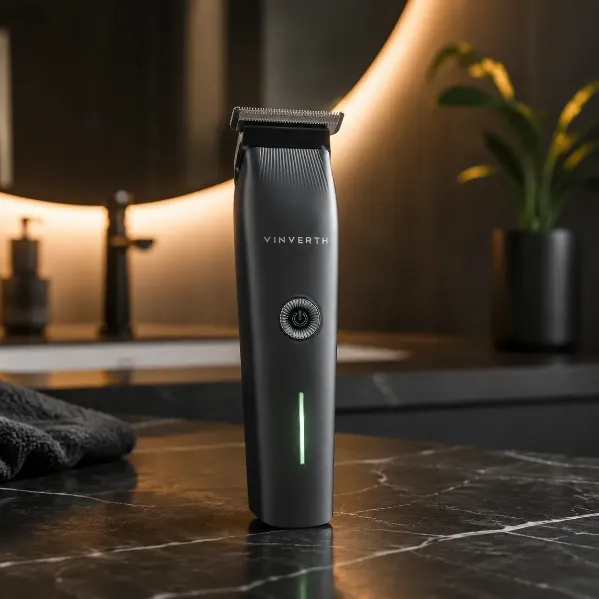
Modern grooming tools are built to be reliable, fast, and easy to use—but most clipper and trimmer failures are not caused by “bad products.” They are caused by small, repeated user habits that quietly wear down blades, strain motors, and shorten battery life. The good news is that nearly all of these issues are preventable with simple, consistent care.
In the Vinverth grooming lineup, tools such as the Vinverth E310011 Rechargeable Professional Hair Clipper and the Vinverth E310015 3 in 1 Rechargeable Grooming Kit are designed for convenient home grooming. But like any precision device with blades, moving parts, and (in rechargeable models) a battery system, the way you use and maintain the tool matters as much as its specifications.
This guide covers the most common grooming mistakes that damage clippers and trimmers—and what to do instead—so you can keep performance sharp, avoid expensive replacements, and maintain clean, professional results at home.
Mistake 1: Skipping Cleaning After Every Use
One of the fastest ways to reduce performance is to leave hair, skin oil, and product residue (wax, gel, beard balm) inside the blade set. Over time, this buildup increases friction, makes the motor work harder, and causes the blades to heat up faster. It can also lead to uneven cutting and “pulling” that feels like the device is snagging hair.
Do this instead:
- After each session, remove trapped hair using a small cleaning brush.
- Wipe around the blade area with a dry or slightly damp cloth (never soak the body).
- If your tool includes a detachable head, clean it separately and let it fully dry before reassembling.
Mistake 2: Not Oiling the Blades (or Over-Oiling Them)
Blades are metal-on-metal precision parts. Without proper lubrication, friction rises quickly—leading to heat, faster dulling, louder operation, and increased load on the motor. On the other hand, applying too much oil can attract dust and hair, creating a sticky paste that slows the blade movement and clogs the cutting teeth.
Why it damages your tool
- Too little oil: friction + heat = accelerated blade wear and more motor strain.
- Too much oil: buildup + drag = reduced cutting performance and possible gumming inside the blade assembly.
Do this instead (simple routine)
- Oil the blades lightly and consistently—especially if you use the device frequently.
- Use 1–2 small drops across the blade surface (focus on the teeth edges).
- Turn the clipper/trimmer on for a few seconds to distribute the oil, then wipe off excess.
- If you notice the tool cutting poorly after oiling, you may have over-applied—clean the blades and re-oil sparingly.
Tip: If your clipper starts sounding harsher than usual, that’s often a lubrication warning sign—not necessarily a battery problem.
Mistake 3: Using the Tool on Wet Hair (When It’s Not Designed for It)
Many people try to clip immediately after a shower, assuming wet hair is “easier.” In reality, wet hair tends to clump together and stick to the blade channel, which reduces cutting efficiency and can force the motor to work harder. Moisture can also increase the risk of corrosion on blade components and—depending on the device’s water resistance—may cause long-term internal damage.
Why it damages your tool
- Wet hair can jam the blade path, increasing load and heat.
- Moisture can cause rust or dulling on blades over time.
- Water can migrate into sensitive areas (switches, charging contacts), especially with frequent exposure.
Do this instead
- For most standard clippers/trimmers: use on clean, dry hair.
- If you must trim after washing, towel-dry thoroughly and wait a few minutes so the hair separates naturally.
- Keep the device away from direct running water unless the manual explicitly states it’s washable.
Mistake 4: Pressing Too Hard or “Forcing” the Cut
If the clipper isn’t cutting well, many users instinctively press harder against the scalp or jawline. This can increase skin irritation and create uneven results—but it also stresses the clipper. Excess pressure increases friction, reduces blade speed, and can even misalign blade sets over time.
Why it damages your tool
- Extra pressure = higher resistance, which can overheat the motor.
- Repeated forcing can lead to blade misalignment, causing pulling and poor performance.
- Increased heat can accelerate wear on plastics and internal mounts.
Do this instead
- Let the blade do the work: use light pressure and steady passes.
- If cutting slows, stop and check for: hair buildup in the blades, low battery,dull blades, incorrect guard attachment.
Conclusion
A clipper or trimmer does not usually fail all at once. In most cases, performance declines gradually because of avoidable habits such as poor cleaning, incorrect charging, excess pressure during use, or improper storage. These small mistakes may seem harmless at first, but over time they can affect blade sharpness, motor efficiency, battery life, and overall reliability.
The best way to protect your grooming tools is to treat them as precision devices rather than simple everyday accessories. Regular cleaning, light blade oiling, proper charging routines, and careful handling can make a significant difference in how well your device performs over the long term. Just as importantly, these habits help maintain a smoother, safer, and more comfortable grooming experience at home.
By avoiding common grooming mistakes and following a few basic maintenance practices, users can extend the life of their devices, preserve consistent cutting performance, and get better value from every use. In personal care, long-lasting results often begin with proper care behind the scenes.