


How to Clean and Descale an Electric Kettle Safely

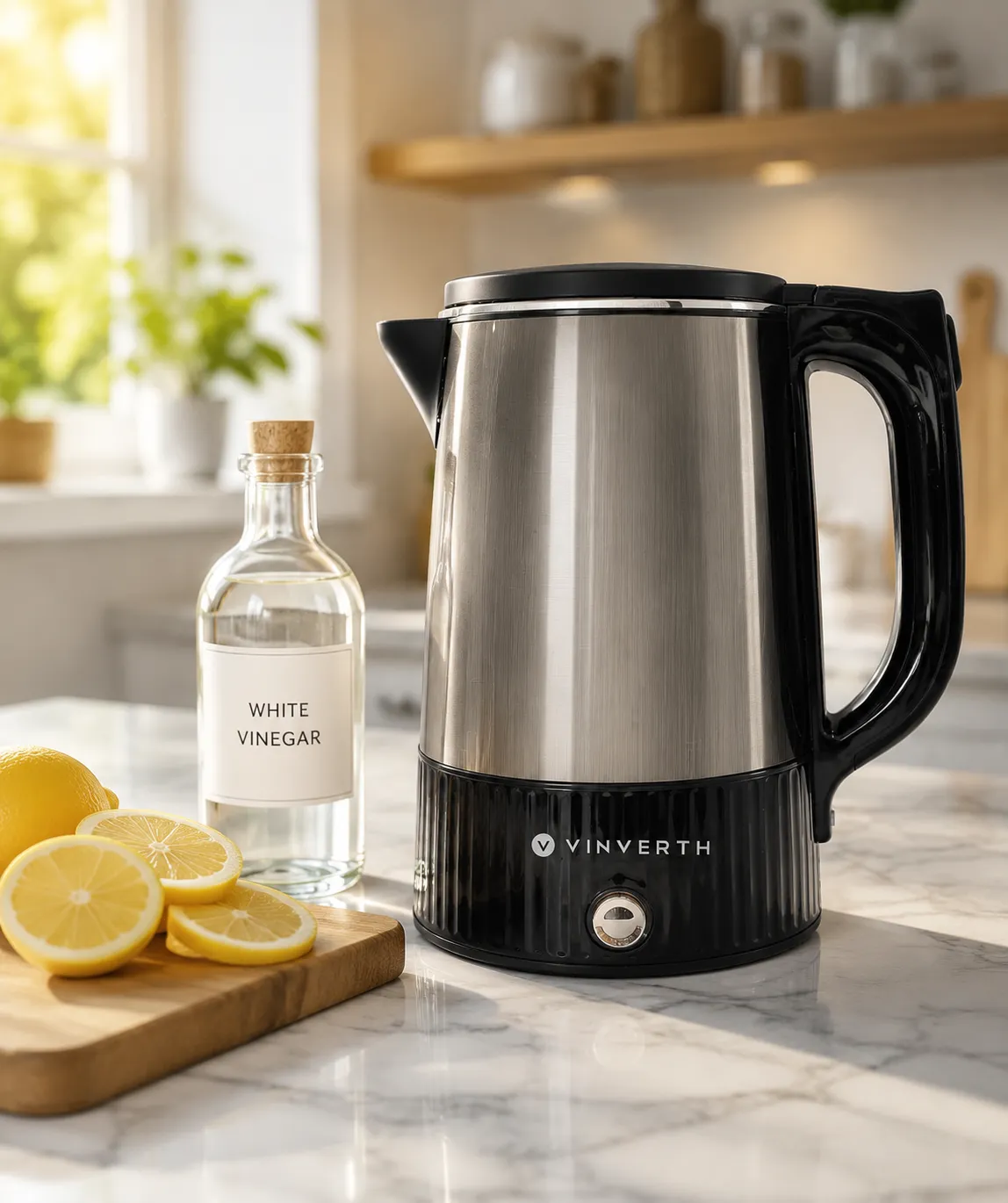
An electric kettle is one of the most frequently used appliances in a modern kitchen. From preparing morning tea and coffee to boiling water for instant meals, baby formula, or cooking, it works quietly in the background every day. However, because an electric kettle constantly heats water, it is also naturally exposed to mineral buildup, stains, and limescale—especially in areas with hard water.
Over time, these mineral deposits can collect inside the kettle, forming a white, chalky layer around the heating surface and inner walls. While limescale is common, ignoring it can affect the kettle’s performance. It may slow down boiling time, create unpleasant particles in the water, alter the taste of hot drinks, and put extra pressure on the heating element.
Whether you use a stainless steel cordless kettle, a double-layer digital model, a glass electric kettle, or a larger-capacity cordless kettle, regular cleaning is essential for both performance and hygiene. Products such as the Vinverth E210022 1.7L Stainless Steel Cordless Electric Kettle, Vinverth E210023 1.7L Double Layer Digital Electric Kettle are designed for everyday convenience, but proper care helps them maintain their efficiency for longer.
In this guide, you’ll learn how to clean and descale an electric kettle safely using simple household methods, what to avoid during cleaning, and how often you should descale your kettle depending on your water quality and usage.
Why Descaling Your Electric Kettle Matters
Descaling is the process of removing mineral deposits—mainly calcium and magnesium—that remain after water is boiled. These minerals are not usually harmful in normal amounts, but they can create visible buildup inside your kettle. The harder your water is, the faster this buildup appears.
A clean kettle is not only more pleasant to use; it also works more efficiently. When limescale covers the heating area, the appliance needs more time and energy to bring water to a boil. This may increase electricity use slightly and can place unnecessary strain on the internal heating system over time.
Descaling also improves the taste and clarity of boiled water. If you have noticed floating white flakes, cloudy water, or a slightly metallic or chalky taste in your tea or coffee, limescale may be the reason. Regular cleaning helps restore the purity of the water and keeps hot drinks tasting fresh.
From a maintenance perspective, descaling is one of the simplest ways to extend the life of an electric kettle. It prevents buildup from becoming too thick, protects internal components, and reduces the chance of performance issues caused by mineral deposits.
How Often Should You Clean and Descale an Electric Kettle?
The ideal cleaning schedule depends on three factors: how often you use the kettle, the hardness of your local water, and the type of kettle you own. In general, light cleaning should be done regularly, while descaling should be performed based on visible buildup or changes in performance.
For daily users, a quick rinse and wipe every few days can help prevent stains and residue from settling. If the kettle is used multiple times a day, especially in a family household or office, it may need more frequent attention.
As a general rule:
- Soft water areas: descale every 6–8 weeks
- Moderately hard water areas: descale every 4–6 weeks
- Hard water areas: descale every 2–4 weeks
- Heavy daily use: inspect weekly and descale when buildup appears
Glass kettles may show limescale more visibly, while stainless steel models may hide early buildup unless you look closely inside. Digital and double-layer kettles should always be cleaned with extra care around the exterior controls, display area, and base connection.
A good habit is to check the inside of the kettle once a week. If you see white spots, chalky layers, flakes, or discoloration near the bottom, it is time to descale.
Safety Precautions Before Cleaning
Before cleaning or descaling any electric kettle, safety should always come first. Because this appliance combines heat, electricity, and water, improper cleaning methods can damage internal components or create avoidable risks.
Start by turning the kettle off and unplugging it from the power source. If the kettle has just been used, allow it to cool completely before handling it. Cleaning a hot kettle is not only unsafe, but sudden temperature changes may also affect certain materials over time, especially in glass models.
It is also important to keep the base dry at all times. For cordless kettles, the base contains the electrical connection and should never be rinsed, submerged, or exposed to excessive moisture. If dust or splashes appear on the base, wipe it gently with a dry or slightly damp cloth and make sure it is fully dry before reconnecting the kettle.
Before using any cleaning solution, avoid harsh chemicals such as bleach, strong degreasers, or abrasive powders. These products may damage the kettle’s inner surface, leave behind residues, or affect the taste of boiled water. In most cases, mild household ingredients are more than enough to remove limescale safely.
Finally, never use metal scrubbers, knives, or hard scraping tools to remove mineral buildup. Limescale may be stubborn, but scraping it aggressively can scratch stainless steel interiors, damage glass surfaces, or affect the heating element.
Step-by-Step: How to Descale an Electric Kettle with Vinegar
One of the most effective and widely used ways to descale an electric kettle is with white vinegar. Vinegar contains acetic acid, which helps dissolve mineral deposits without requiring strong chemical cleaners.
Follow these steps:
- Fill the kettle halfway with equal parts water and white vinegar.
A 1:1 ratio is usually strong enough for regular limescale buildup.
- Boil the solution.
Turn the kettle on and let the mixture come to a full boil.
- Let it sit for 15 to 20 minutes.
This resting time allows the vinegar solution to break down the mineral deposits more effectively.
- Discard the solution carefully.
Pour it out once the kettle has cooled slightly.
- Rinse the kettle thoroughly several times.
This step is essential to remove any remaining vinegar smell or taste.
- Boil fresh water once or twice and discard it.
This final rinse cycle helps ensure the kettle is ready for normal use.
If the buildup is heavy, you may need to repeat the process. However, avoid leaving vinegar inside the kettle for extended periods, especially overnight, unless the manufacturer specifically allows it.
How to Descale an Electric Kettle with Lemon Juice
If you prefer a milder-smelling alternative, lemon juice is another effective natural descaling option. Its acidity helps loosen light to moderate mineral deposits while leaving a fresher scent behind.
Here is how to use it safely:
- Fill the kettle with water until it is about half full.
- Add fresh lemon juice or sliced lemons.
- Two to three tablespoons of lemon juice are often enough for a standard descaling cycle.
- Boil the mixture.
- Leave it inside for 15 to 20 minutes.
- Pour it out and rinse thoroughly.
- Boil clean water once more and discard it before reuse.
Lemon is especially useful for routine maintenance when buildup is still light. For thick limescale layers, vinegar may work faster and more effectively.
Can You Use Commercial Descaling Products?
Yes, commercial kettle descalers can also be used, especially if mineral buildup is severe or if you want a faster solution. However, it is important to choose a product specifically designed for kettles or food-contact appliances.
Always follow the product instructions carefully and never exceed the recommended amount. After using a commercial descaler, rinse the kettle thoroughly and run at least one full boil cycle with clean water before preparing drinks.
For many households, natural options such as vinegar or lemon are sufficient. Commercial descalers are best reserved for stubborn buildup or very hard water conditions.
How to Clean the Outside of an Electric Kettle
While descaling focuses on the inside of the kettle, cleaning the exterior is also important for hygiene, appearance, and long-term care. Fingerprints, water spots, grease, and kitchen dust can collect on the outer surface over time, especially when the kettle is used daily and stored on the countertop.
To clean the outside safely, use a soft cloth with warm water and a small amount of mild dish soap. Wipe the surface gently, paying extra attention to the handle area, lid, and spout. Afterward, use a clean damp cloth to remove any soap residue, then dry the surface with a soft towel.
For stainless steel kettles, a microfiber cloth works especially well for reducing streaks and restoring a clean finish. For glass models, gentle wiping helps maintain clarity and prevents visible smudges. If your kettle has a digital panel or buttons, avoid applying water directly onto the controls. Instead, wipe these areas carefully with a slightly damp cloth and dry them immediately.
The base should always be cleaned separately and with great care. Since it contains the electrical connection, it must never be immersed in water. A dry cloth is usually enough, though a barely damp cloth can be used if needed, followed by complete drying before the kettle is placed back on the base.
Conclusion
Cleaning and descaling your electric kettle regularly helps it boil faster, work more efficiently, and last longer. Limescale buildup is common, especially in hard water areas, but it can be safely removed with simple methods like vinegar or lemon juice.
By cleaning the inside and outside carefully, rinsing thoroughly, and avoiding harsh tools or excess water around the base, you can protect both performance and appearance. A well-maintained kettle delivers better-tasting water and more reliable everyday use.